Currently Empty: ₦0.00
Herbal medicine has always been part of our identity in Nigeria. From childhood remedies to community healing traditions, plants have played a central role in how we understand health and wellness. Yet as herbal medicine continues to grow in popularity, one important question remains:
How do we ensure that what heals in tradition remains safe, effective, and trustworthy in today’s world?
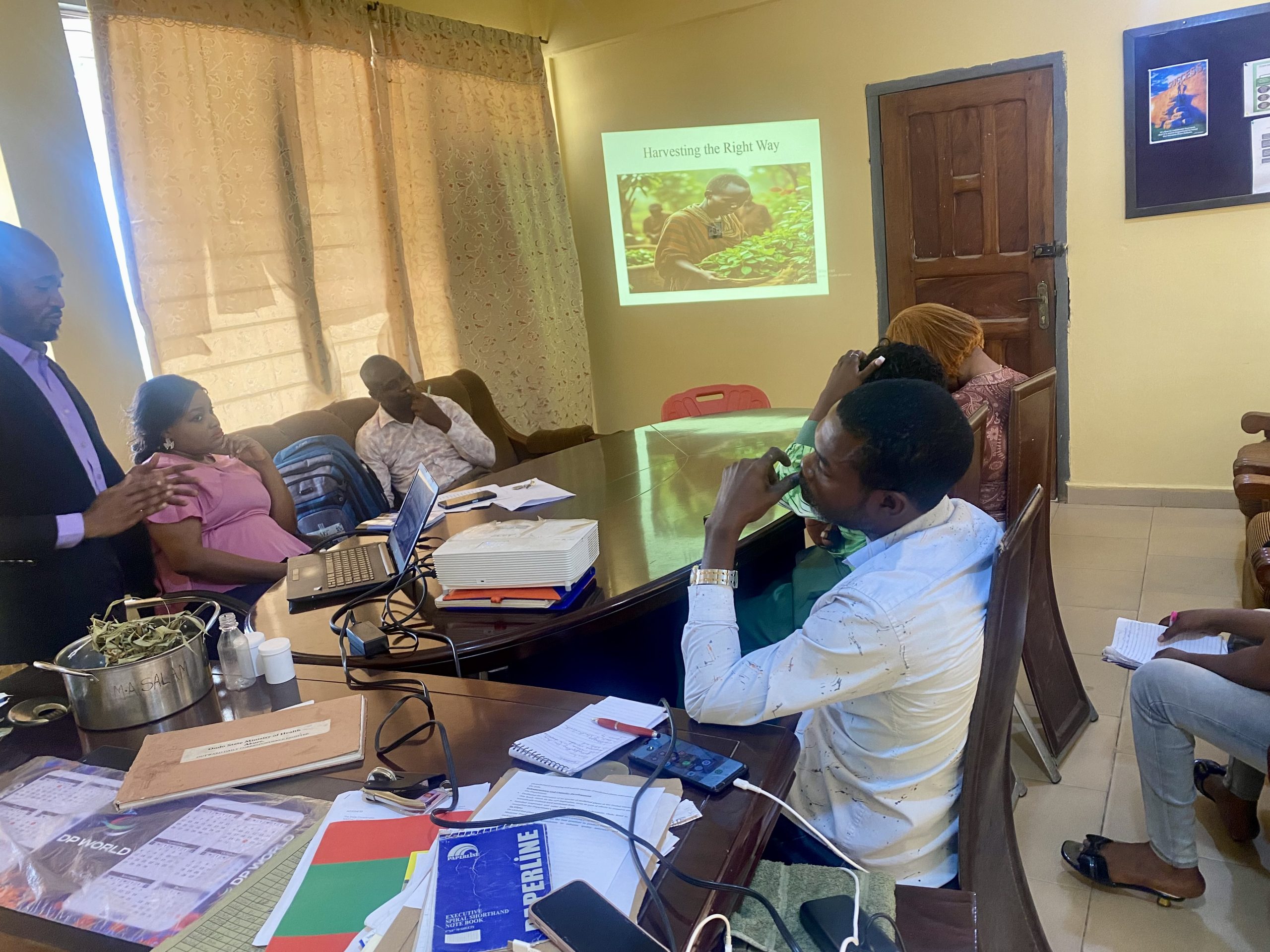
This question formed the foundation of a recent statewide training I facilitated on “Advancing Herbal Medicine Practice: Good Manufacturing Practices (GMP) in Herbal Medicine”, organized by the Department of Traditional, Complementary and Alternative Medicine (TCAM), Ondo State Ministry of Health, Akure.
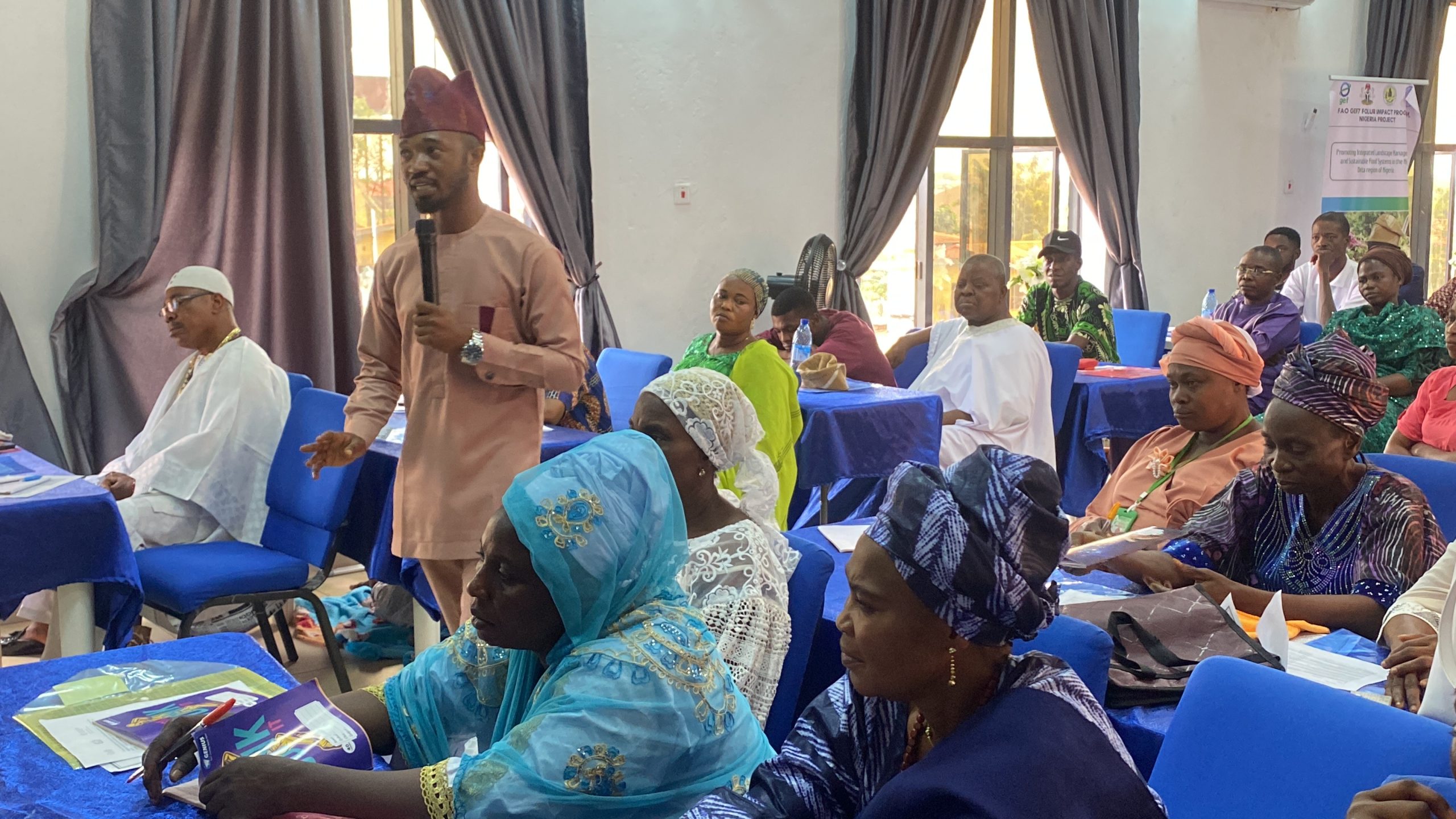
The training brought together Traditional, Complementary and Alternative Medicine practitioners across Ondo State, including herbal medicine practitioners, traditional medicine practitioners, traditional birth attendants (TBAs), professional associations, and relevant organizations.
🏛️ Why This Training Was Necessary
Across Nigeria, herbal medicine is widely used, often trusted more than conventional medicine in some communities. However, challenges persist:
-
Inconsistent preparation methods
-
Poor hygiene during processing
-
Lack of standardization in dosage
-
Unsafe combinations of herbs
-
Inadequate labeling and storage
-
Limited understanding of toxicity and drug interactions
Without addressing these issues, the credibility and safety of herbal medicine remain at risk.
Good Manufacturing Practices (GMP) provide a structured framework that ensures herbal products are prepared in ways that protect both practitioners and the public.
This training was not about replacing tradition.
It was about strengthening it.
👥 A Strong Multi-Stakeholder Presence
The importance of this training was reflected in the quality of representation present.
In attendance were:
-
The Commissioner of Health, Ondo State (represented)
-
The Permanent Secretary, Ministry of Health (represented)
-
The Director of Pharmaceutical Services, Ondo State
-
The Chairperson, Ondo State Traditional & Alternative Medicine Board
-
The Director, TCAM Department
-
Other dignitaries and stakeholders in health and traditional medicine
Their presence reinforced a key message:
Traditional medicine is not on the margins of healthcare, it is part of the system.
📘 Key Educational Focus Areas of the Training
The training was designed to be practical, participatory, and deeply educative. Key areas covered included:
1. Understanding GMP in Herbal Medicine
Participants were introduced to the core principles of GMP and why they are essential for herbal products meant for human use.
2. Correct Plant Identification & Harvesting
Using the wrong plant species or harvesting from polluted environments can lead to serious health risks.
3. Processing & Hygiene Standards
We discussed:
-
Clean water use
-
Safe drying methods
-
Clean grinding and milling practices
-
Personal hygiene during preparation
4. Herbal Formulation & Rational Combination
One of the most emphasized topics:
-
Why “many herbs in one bottle” is not always better
-
The importance of dosage
-
Avoiding unnecessary mixtures
5. Packaging, Labelling & Storage
Participants learned why proper labeling is not optional but essential for:
-
Consumer safety
-
Professional credibility
-
Product traceability
6. Safety, Toxicity & Herb–Drug Interactions
Herbal medicine is powerful and power demands responsibility.
We discussed populations at higher risk such as pregnant women, children, and patients on long-term medications.
7. Professional Practice & Ethics
Building trust through:
-
Documentation
-
Transparency
-
Ethical claims
-
Continuous learning
🌱 Participants’ Engagement & Outcomes
The participants were highly engaged, asked insightful questions, and shared real-life experiences from their practice.
Many expressed a renewed understanding that:
-
Herbal medicine must evolve
-
Safety is not optional
-
Professional standards protect both practitioners and clients
The training was widely described as educative, timely, and commendable, reflecting a genuine readiness among practitioners to embrace safer and more structured herbal practices.
🤝 Gratitude & Collaboration
I sincerely appreciate the Department of Traditional, Complementary and Alternative Medicine (TCAM) and the Ondo State Ministry of Health for the opportunity to facilitate this training.
Their commitment to capacity building and integration reflects visionary leadership in healthcare development.
To all practitioners who participated, your openness to learning and growth is a powerful sign that the future of herbal medicine in Ondo State is in safe hands.
🌿 Final Reflection
Advancing herbal medicine is not about abandoning tradition.
It is about refining it, protecting it, and preparing it for the future.
When we combine ancestral wisdom with modern manufacturing standards, we build a system that is both respected and reliable.
This training is one step but a very important one on that journey.